He used to smile at me and I was prompt in returning that smile. Our relationship ended there. However, one day, I just watched him closely as he walked towards me. The trouser and shirt that he wore did not appear to be made for him. It seemed obvious that it was old clothes altered to fit his body. I noticed that sign of poverty and pondered over it. I never bothered to ask his name.
I wanted to buy him some new clothes that fit him. But had my own apprehensions: will he accept it, will he consider it as too much patronising? What if my judgment of his financial situation was wrong? Will it be taken as an insult? I didn't bother to find out more about him and thus put it all these questions to rest. A few months later he just moved away and I never saw him again.
A few months later I heard the story of a young man dying of cancer. I was told that his family is poor and they cannot afford the treatment. Some people started raising funds to help him. I also made my contribution to the fund. The community that he and me were part of were diligently praying for his healing.
Still a few months later, I was told that the sick young man passed away. They had a memorial for him. As they projected his recent photograph on to the screen I was shocked! That is the same person who used to smile at me wearing old clothes.
He was really poor, could not afford proper clothes and medical treatment. When he walked past me, I ignored him. I feel guilty. There are poor among us, but we just look through them. Never, try to find out anything more about them. It is not just the desire to do good but doing it is important.
Wednesday, October 12, 2016
Thursday, September 15, 2016
Drooping Limbs

I used to wonder what is the use of carrying that hand around when it cannot do anything. However, he will not amputate that hand for the simple reason that it is very much part of him. It defines who he is. Without that hand, he will be a single-handed person. Without that hand, his body will lose it symmetry and also beauty. Though useless, he doesn’t ignore it when wearing a shirt. He treats it as a good hand, at least good for a shirt on. It is limited but the right hand is always there for it.
The sight of this man and his hands helps me to understand the biblical metaphor of the body for the Church and each congregation. 1 Corinthians 12 elaborates on the nature, diversity and function of the members of the body of Christ. One of the main foci of this chapter is on the mutual care of the members.
"… there may be no division in the body, but that the members may have the same care for one another. If one member suffers, all suffer together; if one member is honoured, all rejoice together." (1 Cor 12:24-25, ESV).
Every congregation has people of diverse character and abilities. This diversity is the advantage. This makes the weak feel secure because they are surrounded by the strong ones. The strong ones feel complete because they have their weaker ones to create a complete picture. They altogether feel happy and looks so beautiful because in spite of weakness and strength, together they are one unified picture and wonderful harmony.

Friday, September 02, 2016
Making the choice between shame and guilt
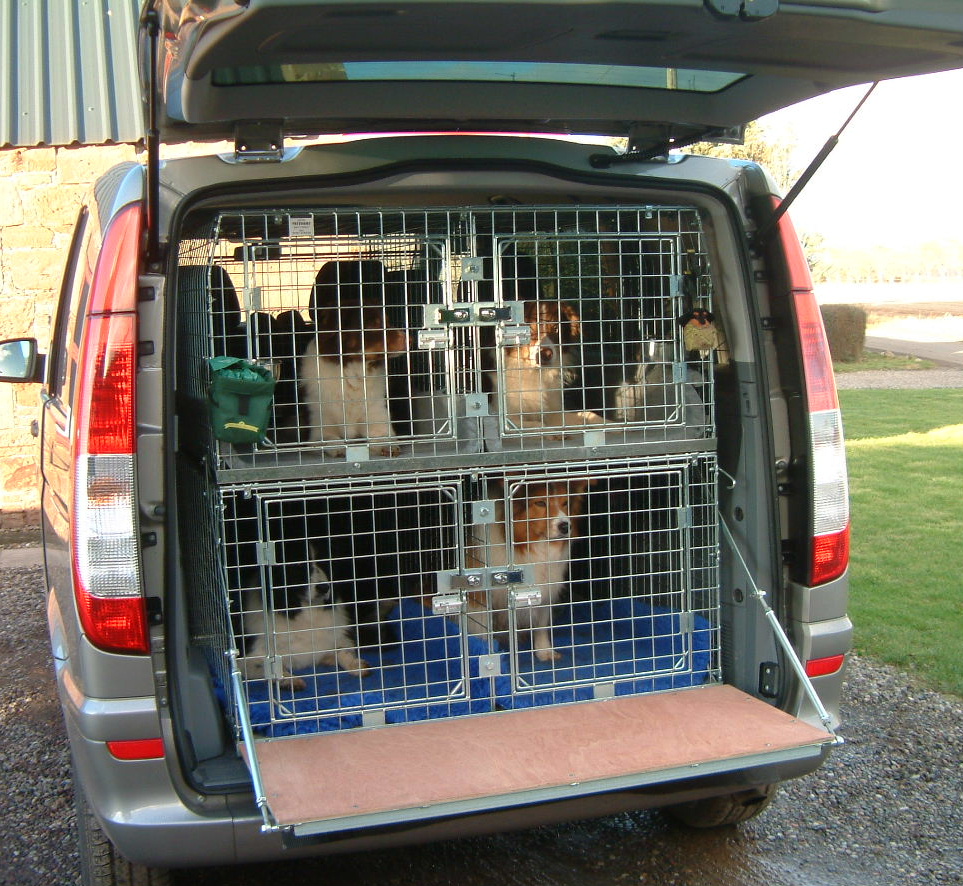
The massive development that is happening all over my city results in snakes and other wild animals losing their natural habitats and food sources. So, they stray into private properties and gardens to survive.
If your neighbourhood has stray dogs all that you have to do is punch the number of this department. If your stars are favourable, they may turn up.
But by the time the dog ambulance is at the gate of the 25 acre campus where I live, all stray dogs disappear! The van comes with the dogs already caught. It is a noisy scene. The captive dogs bark and howl without stop. Maybe they are warning their fellow-creatures to run for their lives. They are concerned that their misfortune should not fall on them too. The stray dogs pick up the signals new prisoners send out.
But the scene in the snake ambulance is different. The captive snakes just huddle together in a corner of the cage. The snake catchers can catch more snakes easily because the captive ones are not sending out any signals to the free ones. The captive snakes don't even realise that they are in danger.
But the scene in the snake ambulance is different. The captive snakes just huddle together in a corner of the cage. The snake catchers can catch more snakes easily because the captive ones are not sending out any signals to the free ones. The captive snakes don't even realise that they are in danger.
This leads me to a lesson that a wise old man taught me when I was much younger. On my maiden visit to Mumbai a mugger fooled me. With some hand-tricks, he just walked away with my money and gave me an empty wallet. I was so ashamed of myself that I was so easily fooled. So, I kept it as my little secret. But I had to disclose this to a close friend to borrow some money. The friend lent me the money but my little secret became the talk of the town within hours.
The news reached my friend’s father who was my mentor. One day, when I paid him a visit he asked me how did my visit to Mumbai go. I told him that everything was perfect and I really enjoyed it! He prodded further until he got the cat out. I had to tell him how that mugger walked away with my money. Then came the question: ‘Why do you hide this from your friends?’ Obviously, I didn’t have an answer. The old man continued after a contemplative pause. ‘Son!’ He continued. ‘Unless you share what happened to you, your friends will not be watchful. By telling them what happened to you, you help them to watch out and avoid what happened to you in their life.’
He dropped an apple on my head. I wanted to shout, "eureka!" Honest admission of our failures can help others as the captive dogs in the dog van do. They are probably ashamed that they were not smart enough not to be caught. They howl at the top of their voice to warn others to avoid what happened to them. What happened to them is shameful, but they don’t want to be guilty of not warning others. So, it is a narrow choice between shame and guilt. I think in such situations it is better not be guilty.
Friday, August 26, 2016
Why Revival Tarries?
I had been praying for a revival in the Seminary where I teach and the church I minister for a long time. It hasn’t come yet. I got this burden for revival from my teacher. She was a Canadian missionary who taught English at the Seminary where I did my first degree in theology. She stood up in a social gathering to make an announcement. The college was about to be shifted to a new campus about 600-kilometres away in a few months. She said that she is praying for a revival and praying that we will have it before we move to the new campus. It is almost 33 years since we moved to the new campus. Revival is yet to come!
Is God ignoring prayers for revivals? For that to be true we need to conclude that God is against revivals. Certainly not! God always want his people to be spiritually alive and constantly revive themselves. Holy Spirit, the spirit of newness is always with us.
This is simple logic. I won't' buy my son a car until he gets the driving licence. That is when he is ready to drive though he has been asking for it for a long time. I think that is the reason why revival tarries. Revival is certainly God’s plan for his people. God never denies prayer for revivals, but it gets delayed because the potential recipients are not yet ready. I want to emphasise it again—it is not denial but delay and we are responsible for the delay. Revival will come only when we are ready.
A review of the history of revivals tells us that that is how it always happened. Revivals always happened only through people who were waiting for it. Take, for example, the pouring out of the Holy Spirit upon the 120 gathered in Jerusalem. Jesus had directed them ‘to wait for the promise of the Father’ (Acts 1:4). Waiting, they did! They went to the upper-room, they were in one accord and devoted themselves to prayer (Acts 1:14). Finally, when they were ‘altogether in one place’ in the same upper-room the Spirit was poured out on them on the day of Pentecost (Acts 2:1-4).
This pattern of waiting and preparation in prayer along with a longing for revival is behind all revivals. Sometimes God prepares them in strange ways. For example, the Ao Naga revivals in India was possible because a tribal chief dead and gone had prophesied that a man with white skin will come and preach about a new god and they have to follow that God. The people were waiting for the man with white skin to come and preach for years. The tribal memory of this prophecy was like a piece of charcoal soaked in fuel, ready to catch fire. It caught fire and covered the entire Ao Naga tribe. Now 90% of Nagas are Christians. There are similar stories of God preparing people from Malaysia and other countries.
In any revival, there is a group of people earnestly waiting and praying for it. Prayer and the longing had prepared them to receive it. Then in the process, the revival encompasses in its embrace everyone even its critics. The first flame always fell upon an individual or group who were ready for it. It is like a forest-fire starting beginning with an ember from the bonfire the careless campers didn’t put out. It started really small with a group of people longing for it.
It never happened when people are not ready for it. All that we need to do is to be ready.
Is God ignoring prayers for revivals? For that to be true we need to conclude that God is against revivals. Certainly not! God always want his people to be spiritually alive and constantly revive themselves. Holy Spirit, the spirit of newness is always with us.
This is simple logic. I won't' buy my son a car until he gets the driving licence. That is when he is ready to drive though he has been asking for it for a long time. I think that is the reason why revival tarries. Revival is certainly God’s plan for his people. God never denies prayer for revivals, but it gets delayed because the potential recipients are not yet ready. I want to emphasise it again—it is not denial but delay and we are responsible for the delay. Revival will come only when we are ready.
A review of the history of revivals tells us that that is how it always happened. Revivals always happened only through people who were waiting for it. Take, for example, the pouring out of the Holy Spirit upon the 120 gathered in Jerusalem. Jesus had directed them ‘to wait for the promise of the Father’ (Acts 1:4). Waiting, they did! They went to the upper-room, they were in one accord and devoted themselves to prayer (Acts 1:14). Finally, when they were ‘altogether in one place’ in the same upper-room the Spirit was poured out on them on the day of Pentecost (Acts 2:1-4).
This pattern of waiting and preparation in prayer along with a longing for revival is behind all revivals. Sometimes God prepares them in strange ways. For example, the Ao Naga revivals in India was possible because a tribal chief dead and gone had prophesied that a man with white skin will come and preach about a new god and they have to follow that God. The people were waiting for the man with white skin to come and preach for years. The tribal memory of this prophecy was like a piece of charcoal soaked in fuel, ready to catch fire. It caught fire and covered the entire Ao Naga tribe. Now 90% of Nagas are Christians. There are similar stories of God preparing people from Malaysia and other countries.
In any revival, there is a group of people earnestly waiting and praying for it. Prayer and the longing had prepared them to receive it. Then in the process, the revival encompasses in its embrace everyone even its critics. The first flame always fell upon an individual or group who were ready for it. It is like a forest-fire starting beginning with an ember from the bonfire the careless campers didn’t put out. It started really small with a group of people longing for it.
It never happened when people are not ready for it. All that we need to do is to be ready.
Wednesday, August 10, 2016
Praying is Doing

However, many people have polished this language now to be more honest and be real. It is rather popular now to say that ‘you will be in my thoughts’ than ‘in my prayers.’ That helps us to bail ourselves out of the guilt of not praying.
A promise of prayer is sometimes the best way to dismiss responsibility. Many times when we approach authorities and they say that they will pray about it, you can go home pretty sure that you are not going to get it! The language is so corrupt, it is something to hide behind and to dismiss the action.
However, Jesus seems to have given it a new meaning in Matthew 9:38. On his return from preaching the Kingdom of God in the various villages and towns in Galilee, he told his disciples what he saw over there. He had compassion on them since they were helpless like sheep without the shepherd. He also said that the people are ready for the goodnews of the Kingdom. Then he asked them to pray earnestly to the Lord of the harvest to send out labourers into his harvest.’ (Matt 9:38).
However, they did not have a prayer meeting after that! In the following verses (which is continuous with the previous, though in a new chapter) Jesus called them and sent them out to the fields that are ‘ready for the harvest.’
What do we make out of this? When Jesus said ‘pray’ to send, he really meant be ready to go! For Jesus, praying is preparation for going and nothing less. It is not praying that people other than the one who pray will go. It is a prayer where the one who prays gets ready to go.
This leads us to conclude that when we pray for something we take up the responsibility for that. For example, when we pray for the poor, we also take up the responsibility to do something about their poverty. Then we may pray for what is beyond our capacity having done what we can. Jesus, when he asks us to pray intends that we get involved first.
Friday, August 05, 2016
The Ready Harvest
Jesus looked at the world around him in a way that is quite different from that of contemporary Christians. In India, Christians are constantly intimidated by the news of persecution of Christians in various parts of the country. Laws that hinder preaching the gospel are passed in many states, pastors are attacked, churches are destroyed, etc. These pieces of news do make us view our world that is hostile to the gospel and the kingdom of God.
However, there is another way of looking at the same world. That is the view of Jesus. Don’t imagine that Jesus’ world was not hostile to him. He was ridiculed, physically attacked, finally killed. Though he had his share of enemies who from the very beginning was plotting to kill him, he looked at the same world as the world ready for the rule of God.
Jesus told his disciples that the world is ready for a big harvest. ‘Do you not say, There are yet four months, then comes the harvest? Look, I tell you, lift up your eyes, and see that the fields are white for harvest.’ (John 4:35, ESV).
It is true that a cereal crop like rice, wheat or barley takes three to four months to grow and ready for harvesting. But when Jesus says that the harvest is ready right then, before four months are over he implied the readiness of human hearts for God. Disciples waiting for the process of growth and fruiting, but Jesus says don’t wait for the process is already over and it is ready.
This is a real challenge. We have to have to have a positive outlook on the world we live. Christians should overcome the negative thinking that everyone out there is looking to kill us. No, they are looking for life. They have questions of life for which they are seeking answers. They have crises in life and are looking for solutions. The bible has the answer to all these but someone should go to them and tell them.
Here is the ready harvest. You will find them in your office floors, in the person sitting in the cabin next to you. Maybe the person sitting near you in the metro every day on the way to office is another heart that is ready for the harvest. If we don’t reap the standing corns of grain will be lost forever. It is time to get to the harvest.
However, there is another way of looking at the same world. That is the view of Jesus. Don’t imagine that Jesus’ world was not hostile to him. He was ridiculed, physically attacked, finally killed. Though he had his share of enemies who from the very beginning was plotting to kill him, he looked at the same world as the world ready for the rule of God.
Jesus told his disciples that the world is ready for a big harvest. ‘Do you not say, There are yet four months, then comes the harvest? Look, I tell you, lift up your eyes, and see that the fields are white for harvest.’ (John 4:35, ESV).
It is true that a cereal crop like rice, wheat or barley takes three to four months to grow and ready for harvesting. But when Jesus says that the harvest is ready right then, before four months are over he implied the readiness of human hearts for God. Disciples waiting for the process of growth and fruiting, but Jesus says don’t wait for the process is already over and it is ready.
This is a real challenge. We have to have to have a positive outlook on the world we live. Christians should overcome the negative thinking that everyone out there is looking to kill us. No, they are looking for life. They have questions of life for which they are seeking answers. They have crises in life and are looking for solutions. The bible has the answer to all these but someone should go to them and tell them.
Here is the ready harvest. You will find them in your office floors, in the person sitting in the cabin next to you. Maybe the person sitting near you in the metro every day on the way to office is another heart that is ready for the harvest. If we don’t reap the standing corns of grain will be lost forever. It is time to get to the harvest.
Wednesday, August 03, 2016
Productive While Waiting

However, Jesus' own teaching on his second coming was largely ignored. Jesus' second coming is an important part of Christian gospel. As long as we stick to the core teaching on this topic and avoid straying into unwarranted details. Preachers should not preach more than what Jesus preached. They should stick to the core teaching on this topic and avoid straying into unwarranted details.
There are certain things that are central to Jesus' teaching on his second coming. The first is the certainty. He will come. The second is unpredictability. He will come at a time that no one knows.
While teaching about the future of Jerusalem and his second coming Jesus told his disciples three parables in the Gospel of Matthew (Chapters 24-25). These three parables emphasise three aspects of Christian behaviour while waiting for the Lord to come. The first is the parable of the Wicked Servant (), the second being the parable of the ten virgins (), the third being the parable of the talents (). These three emphasise three important things. The parable of the wicked servant warns misbehaviour that results from ignoring the master's coming. The second (story of ten virgins) talks about the possibility of missing the joy of his coming not being ready for it. The third emphasises that the time of waiting is a time of productivity.
Subscribe to:
Posts (Atom)

-
 Commodification, branding and monetising are the forces that drive the modern world, especially entrepreneurship. Commodification transforms...
 -
 “For here we have no lasting city, but we seek the city that is to come. Through him then let us continually offer up a sacrifice of praise...