The massive development that is happening all over my city results in snakes and other wild animals losing their natural habitats and food sources. So, they stray into private properties and gardens to survive.
If your neighbourhood has stray dogs all that you have to do is punch the number of this department. If your stars are favourable, they may turn up.
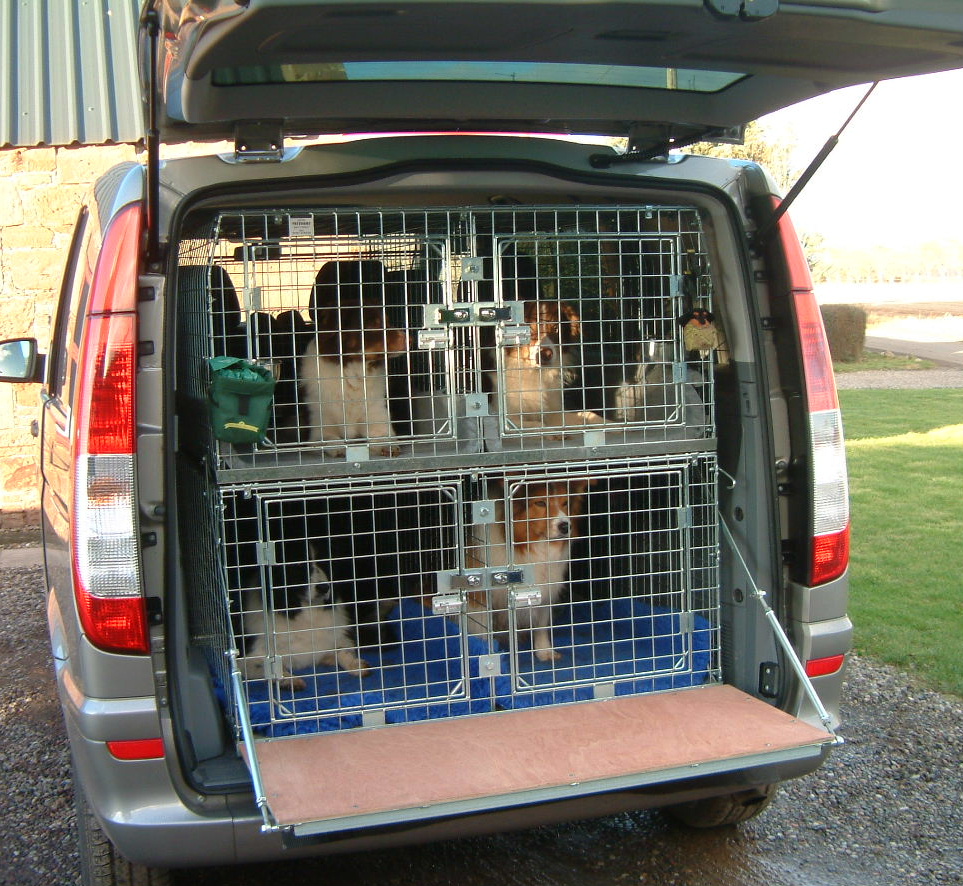
But by the time the dog ambulance is at the gate of the 25 acre campus where I live, all stray dogs disappear! The van comes with the dogs already caught. It is a noisy scene. The captive dogs bark and howl without stop. Maybe they are warning their fellow-creatures to run for their lives. They are concerned that their misfortune should not fall on them too. The stray dogs pick up the signals new prisoners send out.
But the scene in the snake ambulance is different. The captive snakes just huddle together in a corner of the cage. The snake catchers can catch more snakes easily because the captive ones are not sending out any signals to the free ones. The captive snakes don't even realise that they are in danger.
But the scene in the snake ambulance is different. The captive snakes just huddle together in a corner of the cage. The snake catchers can catch more snakes easily because the captive ones are not sending out any signals to the free ones. The captive snakes don't even realise that they are in danger.
This leads me to a lesson that a wise old man taught me when I was much younger. On my maiden visit to Mumbai a mugger fooled me. With some hand-tricks, he just walked away with my money and gave me an empty wallet. I was so ashamed of myself that I was so easily fooled. So, I kept it as my little secret. But I had to disclose this to a close friend to borrow some money. The friend lent me the money but my little secret became the talk of the town within hours.
The news reached my friend’s father who was my mentor. One day, when I paid him a visit he asked me how did my visit to Mumbai go. I told him that everything was perfect and I really enjoyed it! He prodded further until he got the cat out. I had to tell him how that mugger walked away with my money. Then came the question: ‘Why do you hide this from your friends?’ Obviously, I didn’t have an answer. The old man continued after a contemplative pause. ‘Son!’ He continued. ‘Unless you share what happened to you, your friends will not be watchful. By telling them what happened to you, you help them to watch out and avoid what happened to you in their life.’
He dropped an apple on my head. I wanted to shout, "eureka!" Honest admission of our failures can help others as the captive dogs in the dog van do. They are probably ashamed that they were not smart enough not to be caught. They howl at the top of their voice to warn others to avoid what happened to them. What happened to them is shameful, but they don’t want to be guilty of not warning others. So, it is a narrow choice between shame and guilt. I think in such situations it is better not be guilty.